
Why Fire Safety Is About More Than Fire Extinguishers
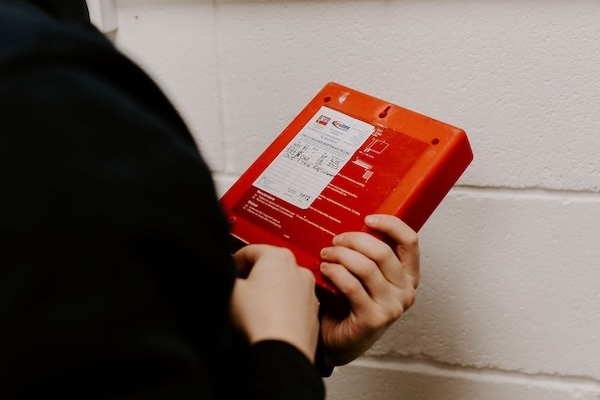
When people think about workplace fire safety, fire extinguishers are often the first thing that comes to mind.
They’re highly visible, legally important and play a vital role in helping control small fires before they develop into much larger incidents.
However, fire extinguishers are only one element of a much wider fire safety strategy.
Creating a safer workplace isn’t simply about installing the correct equipment. It’s about reducing fire risks, protecting people, maintaining essential systems and ensuring everyone knows what to do if an emergency occurs.
Whether you manage a small office, a warehouse, a retail premises, a school or a large commercial building, effective fire safety relies on planning, preparation and regular review.
Let’s look at why fire safety extends far beyond the fire extinguishers mounted on your walls.
Fire Safety Begins with Prevention
The safest fire is the one that never starts.
While extinguishers are designed to deal with certain types of fire in their early stages, preventing fires from occurring should always be the primary objective.
Simple preventative measures include:
- Good housekeeping.
- Safe storage of combustible materials.
- Proper waste management.
- Electrical equipment maintenance.
- Safe working practices.
- Staff awareness.
Reducing potential ignition sources and keeping workplaces organised significantly lowers the likelihood of a fire developing.
Prevention should always come before response.
Every Workplace Has Different Risks
No two businesses face exactly the same fire hazards.
A restaurant kitchen presents very different risks from:
- An office.
- A manufacturing facility.
- A care home.
- A school.
- A warehouse.
- A retail premises.
Understanding the specific activities carried out within the building helps determine the most appropriate fire safety measures.
A tailored approach is always more effective than assuming every workplace requires the same level of protection.
Fire Risk Assessments Form the Foundation
One of the most important elements of workplace fire safety is understanding where risks exist.
A fire risk assessment helps identify:
- Potential ignition sources.
- Combustible materials.
- People who may be at greater risk.
- Existing fire safety measures.
- Areas where improvements may be required.
Rather than being viewed as a paperwork exercise, the assessment should act as a practical guide for improving fire safety throughout the workplace.
It provides the foundation upon which other fire safety measures are built.
Fire Extinguishers Must Be Suitable for the Risk
Not every fire extinguisher is designed to tackle every type of fire.
Different workplaces require different types of extinguishers depending on the hazards present.
Examples include:
- Water extinguishers.
- Foam extinguishers.
- Carbon dioxide (CO₂) extinguishers.
- Dry powder extinguishers.
- Wet chemical extinguishers.
Providing the correct equipment, in the correct locations, helps ensure people have access to suitable fire-fighting equipment should it ever be needed.
Just as importantly, extinguishers require regular inspection and maintenance to remain ready for use.
Fire Alarms Provide Early Warning
One of the most important aspects of fire safety is ensuring people can evacuate quickly.
Fire alarm systems provide early warning, allowing occupants to leave the building before conditions become dangerous.
Regular testing and maintenance help confirm that alarm systems continue operating reliably.
Without early detection, even relatively small fires can escalate rapidly.
Fire extinguishers help tackle fires.
Fire alarms help protect people.
Both play different but equally important roles.
Escape Routes Must Always Remain Clear
Even the best fire safety equipment cannot compensate for blocked escape routes.
Emergency exits should always remain:
- Clearly signed.
- Easily accessible.
- Free from obstruction.
- Properly illuminated where required.
Regular inspections help ensure evacuation routes remain usable at all times.
During an emergency, every second matters.
Staff Training Makes a Real Difference
Fire safety equipment is only effective if people know how to respond appropriately.
Employees should understand:
- Fire evacuation procedures.
- Alarm activation points.
- Assembly locations.
- Basic fire safety responsibilities.
- When it is safe to use a fire extinguisher.
- When immediate evacuation is the safest option.
Regular training helps build confidence while ensuring everyone understands their role during an emergency.
Knowledge is just as important as equipment.
Regular Maintenance Protects Reliability
Fire safety equipment shouldn’t simply be installed and forgotten.
Routine maintenance helps ensure systems remain ready when they’re needed most.
This may include:
- Fire extinguisher servicing.
- Fire alarm testing.
- Emergency lighting inspections.
- Fire door checks.
- Signage reviews.
Preventative maintenance reduces the likelihood of equipment failing during an emergency while supporting ongoing compliance.
Good Fire Safety Protects More Than Buildings
When discussing fire safety, it’s easy to focus on protecting property.
In reality, the greatest priority is always protecting people.
Effective fire safety helps safeguard:
- Employees.
- Customers.
- Visitors.
- Contractors.
- Residents.
- Members of the public.
Property can often be repaired or replaced.
Lives cannot.
That perspective should guide every fire safety decision.
Fire Safety Is an Ongoing Responsibility
Workplaces constantly evolve.
Buildings are refurbished.
Staff change.
Equipment is replaced.
Processes develop.
As these changes occur, fire safety arrangements should also be reviewed.
Regular reviews help ensure:
- Fire risks remain accurately assessed.
- Equipment continues meeting requirements.
- Staff remain informed.
- Emergency procedures stay relevant.
Fire safety isn’t a one-off exercise.
It’s an ongoing commitment.
A Positive Fire Safety Culture Benefits Everyone
The most effective organisations don’t view fire safety as something that’s only considered during inspections.
Instead, it becomes part of everyday working life.
Simple habits such as:
- Keeping escape routes clear.
- Reporting hazards.
- Following safe working procedures.
- Looking after fire safety equipment.
All contribute to creating a safer environment.
When everyone understands their responsibilities, fire safety becomes a shared commitment rather than the responsibility of one individual.
Fire Extinguishers Are Part of a Bigger Picture
Fire extinguishers remain an essential part of workplace fire protection.
However, they achieve the greatest value when supported by:
- Fire risk assessments.
- Staff training.
- Alarm systems.
- Emergency lighting.
- Fire doors.
- Planned maintenance.
- Good housekeeping.
Together, these measures create a far stronger level of protection than any individual piece of equipment could provide alone.
That’s why effective fire safety is always built around a complete strategy rather than a single solution.
Final Thoughts
Fire extinguishers play a vital role in protecting workplaces, but they should never be viewed in isolation.
Effective fire safety begins with prevention, continues through careful planning and relies on regular maintenance, staff awareness and ongoing review.
By considering fire safety as part of a wider strategy, businesses create safer environments for employees, visitors and customers while helping protect valuable property and supporting their legal responsibilities.
The strongest fire safety programmes aren’t defined by the number of extinguishers installed.
They’re defined by the culture of safety that exists throughout the organisation.
Frequently Asked Questions
Are fire extinguishers enough to meet workplace fire safety requirements?
No. Fire extinguishers are an important part of workplace fire safety, but they should be supported by fire risk assessments, alarm systems, emergency lighting, staff training and regular maintenance.
Why are fire risk assessments important?
A fire risk assessment helps identify potential fire hazards, evaluate existing safety measures and recommend practical improvements to reduce risk.
How often should fire extinguishers be serviced?
Fire extinguishers should normally be visually checked regularly and professionally serviced at least once a year by a competent person in accordance with the relevant British Standards and the manufacturer’s recommendations.
Why is staff fire safety training important?
Training helps employees understand evacuation procedures, recognise fire risks and know how to respond safely if a fire occurs.
What is the most important objective of workplace fire safety?
The primary objective is protecting people by preventing fires where possible and ensuring safe evacuation if an emergency occurs.


