What Steps Should You Take to Prepare for Fire Safety Month?

Fire Safety Month, typically observed in October across the UK, is far more than a calendar reminder—it’s a crucial opportunity for businesses to reassess risks, strengthen procedures, and ensure full compliance with fire safety legislation. While fire safety should always be a priority, this dedicated period encourages organisations to take a proactive approach to protecting people, property, and operations.
For UK businesses, preparation isn’t just best practice—it’s a legal obligation under the Regulatory Reform (Fire Safety) Order 2005, which places responsibility on employers or building managers to assess and manage fire risks effectively.
Start with a Comprehensive Fire Risk Assessment
The foundation of any fire safety strategy is a thorough and up-to-date fire risk assessment. This process identifies hazards, evaluates who may be at risk, and outlines measures to reduce or eliminate those risks. In the UK, this is a legal requirement for all non-domestic premises, and it must be reviewed regularly—especially when there are changes to your building, staffing, or operations.
Fire Safety Month is the ideal time to revisit your assessment and ensure it reflects current conditions. Are there new fire hazards? Have staff roles changed? Are your emergency procedures still appropriate? These are critical questions that should be addressed.
Inspect and Maintain Fire Safety Equipment
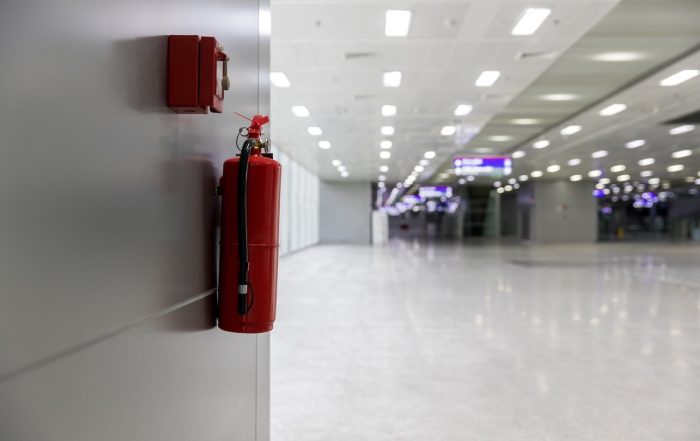
Your fire safety equipment is your first line of defence in an emergency. However, even the best equipment is ineffective if it isn’t properly maintained. This includes fire extinguishers, alarms, emergency lighting, and signage.
Regular servicing ensures that equipment will function correctly when needed. UK guidance highlights the importance of maintaining detection systems and ensuring extinguishers are accessible, correctly positioned, and suitable for the risks present.
Fire Safety Month provides a clear deadline to check inspection records, schedule servicing, and replace any outdated or damaged equipment.
Review and Practise Your Fire Evacuation Plan
A well-documented evacuation plan is essential—but it’s only effective if everyone understands it. Your plan should clearly outline escape routes, assembly points, and procedures for assisting vulnerable individuals.
More importantly, it should be practised. Regular fire drills help staff become familiar with procedures and reduce panic in real emergencies. Guidance emphasises that emergency plans should not only be created but also shared and rehearsed consistently.
Take the opportunity during Fire Safety Month to run a drill, review performance, and identify areas for improvement.
Train and Engage Your Staff
Fire safety is not solely the responsibility of management—it requires organisation-wide awareness. Employees should be trained to recognise fire hazards, understand evacuation procedures, and use fire-fighting equipment where appropriate.
Under UK law, businesses must provide adequate fire safety training, ensuring staff know how to respond effectively in an emergency.
Fire Safety Month is the perfect time to refresh this training, introduce new staff to procedures, and reinforce key messages across your team.
Appoint Responsible Persons and Fire Marshals
Every workplace must have a designated “Responsible Person” who oversees fire safety arrangements. In larger organisations, fire marshals or wardens should also be appointed to assist during evacuations and ensure procedures are followed.
Use this time to confirm that these roles are clearly defined, individuals are properly trained, and responsibilities are understood.
Ensure Compliance with Updated Regulations
Fire safety regulations in the UK continue to evolve, particularly following recent legislative changes such as the Fire Safety (England) Regulations 2022. These updates place additional responsibilities on building owners and managers, especially in multi-occupied residential properties.
Fire Safety Month is an ideal checkpoint to ensure your business remains compliant with current legislation and guidance.
Improve Communication and Awareness
Fire safety awareness should extend beyond formal training sessions. Clear signage, regular reminders, and accessible documentation all play a role in reinforcing safe behaviours.
Consider displaying fire safety posters, sending internal communications, or holding short awareness sessions to keep the topic front of mind. The goal is to embed fire safety into your workplace culture—not treat it as a one-off exercise.
Address Housekeeping and Hazard Management
Simple day-to-day practices can significantly reduce fire risks. Poor housekeeping—such as blocked exits, accumulated waste, or improperly stored materials—can quickly lead to dangerous situations.
Ensure that fire doors are unobstructed, escape routes are clear, and flammable materials are stored safely. Maintaining a tidy and organised environment is a straightforward yet highly effective way to improve fire safety.
Plan for Continuous Improvement
Fire Safety Month shouldn’t be seen as a standalone event. Instead, it should act as a catalyst for ongoing improvements. Once you’ve reviewed your systems and procedures, create an action plan to address any gaps identified.
This might include upgrading equipment, scheduling additional training, or implementing new safety measures. By taking a long-term view, you can ensure that fire safety remains a consistent priority throughout the year.
Final Thoughts
Preparing for Fire Safety Month is about more than compliance—it’s about responsibility. Fires can have devastating consequences, but many incidents are preventable with the right planning and awareness.
By taking proactive steps—reviewing risk assessments, maintaining equipment, training staff, and improving communication—you can create a safer environment for everyone who enters your premises.
Fire Safety Month provides the perfect opportunity to pause, reassess, and strengthen your approach. The question isn’t whether you should prepare—it’s whether you’re prepared enough.