What Fire Safety Measures Should Every Home and Business Review?

October marks National Fire Safety Month, making it the ideal time for homeowners, landlords, and business owners across the UK to review their current fire safety arrangements. Fire risks can develop gradually over time, and without regular checks, small issues may go unnoticed until they become dangerous.
Whether you manage a commercial premises, run a busy workplace, or simply want to keep your family safe at home, reviewing your fire safety measures on a regular basis is essential. From checking fire extinguishers to ensuring escape routes remain clear, there are several simple but highly important steps that can significantly reduce the risk of fire and improve safety for everyone on the property.
At Fireline UK, businesses and property owners across the UK receive professional support with fire extinguisher servicing, fire safety inspections, and compliance guidance to help maintain safe environments throughout the year.
Why National Fire Safety Month Matters
October is often associated with seasonal changes, colder weather, and increased use of heating systems and electrical appliances. As a result, it is also a time when fire risks can rise in both domestic and commercial settings.
National Fire Safety Month provides an opportunity to:
- Review existing fire safety procedures
- Check equipment and emergency systems
- Educate staff, tenants, or family members
- Reduce avoidable fire hazards
- Ensure compliance with UK fire safety legislation
Many businesses use October as a reminder to update their fire risk assessments and carry out staff refresher training.
Review Your Fire Risk Assessment
One of the most important fire safety measures for any business is a current and accurate fire risk assessment. Under UK legislation, commercial premises must identify potential fire hazards and take reasonable steps to minimise risks.
A fire risk assessment should consider:
- Electrical equipment
- Heating systems
- Storage of combustible materials
- Fire detection systems
- Escape routes
- Emergency lighting
- Fire extinguisher provision
Even smaller businesses should review their fire risk assessments regularly, particularly if layouts, staffing levels, or working practices have changed.
Homeowners may not legally require formal fire risk assessments, but reviewing hazards around the property can still be extremely valuable.
Check Fire Extinguishers
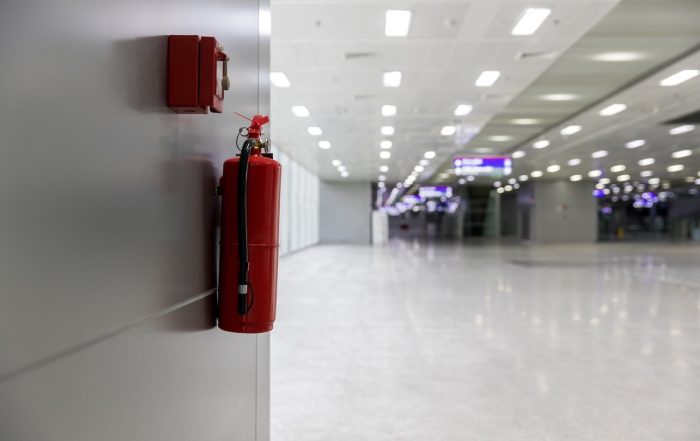
Fire extinguishers are one of the first lines of defence during a fire emergency, but they are only effective if they are suitable for the risk and properly maintained.
Different extinguisher types are designed for different fire classes, including:
- Water extinguishers for paper, wood, and textiles
- Foam extinguishers for flammable liquids
- CO2 extinguishers for electrical fires
- Powder extinguishers for mixed fire risks
- Wet chemical extinguishers for cooking oils and fats
Businesses should ensure extinguishers are:
- Positioned correctly
- Easily accessible
- Clearly labelled
- Serviced annually
- Free from visible damage
At home, it is also wise to keep suitable extinguishers or fire blankets in kitchens, garages, and workshops where fire risks may be higher.
Test Smoke Alarms and Detection Systems
Smoke alarms save lives, but they are often overlooked until batteries fail or faults develop.
Every property should have working smoke alarms installed in appropriate locations. Businesses may also require more advanced fire alarm systems depending on the building size and use.
Important checks include:
- Testing alarms weekly
- Replacing batteries where required
- Ensuring alarms are not obstructed
- Checking detectors for dust or damage
- Arranging professional servicing for commercial systems
In homes, smoke alarms should ideally be fitted on every floor. Businesses should also ensure staff understand alarm procedures and evacuation plans.
Keep Escape Routes Clear
Blocked exits and cluttered corridors can become major hazards during an emergency evacuation.
All escape routes should remain:
- Clearly marked
- Well lit
- Free from obstructions
- Easy to open from the inside
In workplaces, fire doors should never be wedged open unless approved hold-open systems are installed. Emergency exit signage should also remain visible at all times.
For residential properties, especially flats and HMOs, communal hallways and stairwells should be kept clear to allow safe evacuation.
Review Electrical Safety
Electrical faults remain one of the leading causes of fires across the UK.
As autumn and winter approach, many people begin using additional heating devices, extension leads, and electrical appliances more frequently. This makes October an excellent time to review electrical safety throughout the property.
Key areas to check include:
- Damaged plugs or cables
- Overloaded sockets
- Faulty extension leads
- Portable heaters
- Old or damaged appliances
Businesses should also ensure Portable Appliance Testing (PAT) is carried out where appropriate and that electrical installations are inspected regularly by qualified professionals.
Store Flammable Materials Safely
Many fires start because flammable products are stored incorrectly.
Common materials that should be handled carefully include:
- Cleaning chemicals
- Paints and solvents
- Fuel containers
- Paper waste
- Packaging materials
Businesses should follow proper storage guidance and avoid allowing combustible waste to accumulate near exits or electrical equipment.
At home, petrol, paint, and chemicals should be stored safely away from ignition sources and ideally outside living areas where possible.
Train Staff and Promote Awareness
Even the best fire safety equipment can only do so much if people do not know how to respond during an emergency.
Fire awareness training helps staff understand:
- Fire hazards in the workplace
- How to raise the alarm
- When to use extinguishers
- Evacuation procedures
- Assembly point locations
National Fire Safety Month is the perfect time to refresh staff knowledge and improve overall awareness across the workplace.
Families can also benefit from discussing fire escape plans at home, particularly with children and elderly relatives.
Don’t Ignore Small Warning Signs
Many fires are preceded by warning signs that are easy to dismiss, including:
- Burning smells
- Flickering lights
- Tripping circuits
- Hot plugs or sockets
- Unusual noises from appliances
Addressing these issues early can prevent more serious problems from developing.
Professional Fire Safety Support Across the UK
Fire safety is not something that should only be considered after an incident occurs. Regular reviews, ongoing maintenance, and professional guidance all play a major role in helping protect lives and property.
Fireline UK supports businesses and organisations throughout the UK with professional fire extinguisher servicing, inspections, maintenance, and fire safety support tailored to individual requirements.
Whether you operate a commercial premises, manage rental properties, or simply want greater peace of mind, taking proactive fire safety measures during National Fire Safety Month is a positive step towards improving protection for everyone who uses your property.