Could Your Fire Safety Equipment Be Out of Date?

Fire safety equipment is something most businesses install with the best of intentions—yet it’s surprisingly easy for it to become outdated, overlooked, or no longer fit for purpose. In many UK workplaces, fire extinguishers, alarms, and emergency lighting are present, but that doesn’t necessarily mean they are compliant, effective, or ready to perform when needed.
The reality is simple: fire safety equipment has a lifespan. Without regular checks, maintenance, and updates, it can quickly fall behind current standards or fail altogether. Under the Regulatory Reform (Fire Safety) Order 2005, businesses are legally required to ensure that fire safety systems are properly maintained and suitable for the risks present.
So, could your fire safety equipment be out of date? It’s a question every business should be asking—especially if it’s been a while since a full review.
Fire Extinguishers: Are They Still Fit for Purpose?
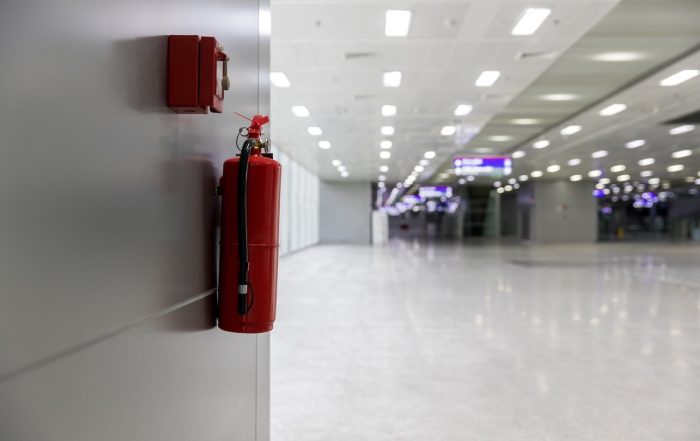
Fire extinguishers are often the most visible piece of fire safety equipment in any workplace, yet they are also among the most commonly neglected.
Over time:
- Pressure can drop
- Components can deteriorate
- Labels can become illegible
- Units may no longer be appropriate for current fire risks
In the UK, fire extinguishers should be serviced annually by a qualified professional, with extended servicing or replacement typically required after 5–10 years depending on the type. If your extinguishers haven’t been checked recently, there’s a real risk they may not work effectively in an emergency.
Just as importantly, your business may have changed. For example, introducing new electrical equipment or different materials could require a different type of extinguisher altogether.
Fire Alarms: Are They Reliable and Up to Standard?
A fire alarm system is your first warning in an emergency, but like any technology, it can become outdated.
Common issues include:
- Faulty detectors
- Outdated control panels
- Poor coverage in newer areas of the building
- Lack of integration with other safety systems
Modern fire alarm systems are far more advanced than older models, offering improved detection, clearer alerts, and better reliability. If your system is several years old, it’s worth assessing whether it still meets current standards and provides adequate protection.
Regular testing is essential, but testing alone isn’t enough if the system itself is no longer suitable.
Emergency Lighting: Will It Work When You Need It?
In the event of a power failure during a fire, emergency lighting becomes critical. It ensures that escape routes remain visible and that occupants can evacuate safely.
However, emergency lighting systems can degrade over time. Batteries may fail, bulbs may weaken, and fittings can become damaged or obstructed.
UK guidance recommends regular testing, including:
- Monthly functional checks
- Annual full-duration tests
If these checks aren’t being carried out—or if records are incomplete—it’s a strong indication that your system may not be reliable.
Fire Safety Signage: Is It Clear and Compliant?
Signage plays a vital role in guiding people to safety, particularly in unfamiliar environments. Yet it’s often overlooked when assessing fire safety equipment.
Outdated signage can include:
- Faded or damaged signs
- Incorrect or misleading directions
- Signs that no longer match current layouts
Changes to your building—such as new walls, doors, or reconfigured spaces—can quickly render existing signage ineffective. Ensuring that all signs are clear, visible, and accurate is a simple but essential step in maintaining safety.
Changes in Legislation and Standards
Fire safety regulations and best practices are not static. Over time, standards evolve to reflect new risks, technologies, and lessons learned from real incidents.
Recent updates, such as the Fire Safety (England) Regulations 2022, have introduced additional requirements for certain buildings, particularly in relation to information sharing and safety systems.
If your equipment was installed several years ago, it may not meet these updated expectations. A review ensures that your business remains compliant and aligned with current guidance.
Has Your Workplace Changed?
One of the most common reasons for outdated fire safety equipment is simple: the workplace itself has changed.
Consider:
- Have you added new machinery or electrical systems?
- Has your workforce grown?
- Have layouts or storage areas been altered?
Each of these changes can affect your fire risk profile. Equipment that was suitable in the past may no longer provide adequate protection today.
The Risks of Outdated Equipment
Outdated fire safety equipment doesn’t just pose a compliance issue—it creates real, tangible risks.
These include:
- Equipment failure during an emergency
- Slower response times
- Increased risk to life and property
- Potential legal and financial consequences
In a fire situation, there is no margin for error. Equipment must work exactly as intended, without hesitation.
The Importance of Professional Servicing
While internal checks are important, professional servicing is essential to ensure that all equipment is functioning correctly and meets required standards.
Qualified engineers can:
- Identify faults that may not be visible
- Ensure compliance with British Standards
- Provide certification and documentation
- Recommend upgrades where necessary
Regular servicing not only improves safety but also provides peace of mind that your systems are reliable.
Taking a Proactive Approach
The best way to avoid outdated equipment is to adopt a proactive approach to fire safety. Rather than waiting for issues to arise, schedule regular reviews and maintenance as part of your ongoing operations.
This might include:
- Keeping detailed maintenance records
- Scheduling annual inspections
- Reviewing equipment whenever changes occur
By staying ahead of potential problems, you can ensure that your fire safety measures remain effective at all times.
Final Thoughts
Fire safety equipment is only as good as its condition and suitability. Even if everything appears to be in place, age, wear, and changes in your workplace can all reduce its effectiveness.
Taking the time to review your systems now can help you identify gaps, update outdated equipment, and ensure full compliance with UK regulations.
When it comes to fire safety, assuming everything is fine can be a costly mistake. A simple check today could make all the difference tomorrow.