Are You Using the Right Fire Extinguisher for Each Risk Type?
Choosing the correct fire extinguisher is one of the most important aspects of fire safety for both homes and businesses across the UK. Many people assume that any extinguisher can be used on any type of fire, but using the wrong extinguisher can make a fire significantly worse and place people in greater danger.
During National Fire Safety Month in October, businesses, landlords, and homeowners are encouraged to review their fire safety arrangements and ensure they have the correct extinguishers in place for the risks present on their property.
At Fireline UK, businesses and property owners receive professional guidance on selecting, servicing, and maintaining the appropriate fire extinguishers for a wide range of environments throughout the UK.
Why Fire Extinguisher Selection Matters
Different fires involve different materials and hazards. Because of this, fire extinguishers are designed specifically to tackle certain types of fires safely and effectively.
Using the wrong extinguisher can:
- Cause flames to spread
- Create dangerous reactions
- Increase smoke or electrical hazards
- Put lives at risk
- Damage equipment unnecessarily
For example, using water on an electrical fire can result in electric shock, while using the wrong extinguisher on a cooking oil fire can cause explosive flare-ups.
Understanding the different extinguisher types and their intended uses is essential for maintaining a safe environment.
Understanding UK Fire Classes
In the UK, fires are divided into different classes depending on the material involved.
Class A Fires
These involve ordinary combustible materials such as:
- Wood
- Paper
- Cardboard
- Textiles
- Furniture
These are some of the most common fires in homes, offices, schools, and retail premises.
Class B Fires
These involve flammable liquids including:
- Petrol
- Paint
- Solvents
- Oils
Class B fires are often found in garages, workshops, warehouses, and industrial environments.
Class C Fires
These involve flammable gases such as:
- Propane
- Butane
- Methane
Gas-related fires require specialist attention and often involve shutting off the gas supply if safe to do so.
Electrical Fires
Electrical fires can involve:
- Computers
- Fuse boards
- Electrical appliances
- Machinery
- Wiring systems
Electrical fires are common in workplaces and can spread quickly if not handled correctly.
Class F Fires
These involve cooking oils and fats, commonly found in:
- Commercial kitchens
- Restaurants
- Cafés
- Domestic kitchens
Cooking oil fires burn at extremely high temperatures and require specialist extinguishing agents.
Water Fire Extinguishers
Water extinguishers are one of the most widely recognised extinguisher types in the UK.
They are designed primarily for Class A fires involving materials such as wood, paper, and textiles.
Common Locations
- Offices
- Schools
- Shops
- Warehouses
- Residential buildings
Important Warning
Water extinguishers should never be used on:
- Electrical fires
- Flammable liquid fires
- Cooking oil fires
Using water incorrectly can spread the fire or create severe safety risks.
Foam Fire Extinguishers
Foam extinguishers are highly versatile and suitable for both Class A and Class B fires.
They work by forming a barrier over flammable liquids, helping to prevent re-ignition.
Common Locations
- Petrol stations
- Workshops
- Commercial premises
- Garages
Foam extinguishers can often provide broader protection in mixed-risk environments.
CO2 Fire Extinguishers
Carbon dioxide (CO2) extinguishers are specifically designed for electrical fires and are commonly found in offices and commercial buildings.
They work by displacing oxygen around the fire without leaving residue behind.
Common Locations
- Server rooms
- Offices
- Electrical plant rooms
- Retail premises
Advantages
- Safe for electrical equipment
- No water damage
- No powder residue
- Ideal for sensitive electronics
Because CO2 extinguishers do not leave residue, they are often preferred where expensive equipment is present.
Dry Powder Fire Extinguishers
Dry powder extinguishers are suitable for multiple fire classes, including:
- Class A
- Class B
- Class C
- Electrical fires
They are highly effective in outdoor and industrial settings.
Common Locations
- Construction sites
- Garages
- Workshops
- Industrial premises
Important Considerations
Powder extinguishers can reduce visibility indoors and create breathing difficulties in confined spaces. Because of this, their use indoors is now more limited in many environments.
Wet Chemical Fire Extinguishers
Wet chemical extinguishers are specifically designed for Class F fires involving cooking oils and fats.
They are essential in commercial kitchens where deep-fat fryers and cooking oils are used regularly.
Common Locations
- Restaurants
- Takeaways
- Hotels
- Catering businesses
These extinguishers cool burning oils and help prevent re-ignition safely.
Are Your Fire Extinguishers Properly Positioned?
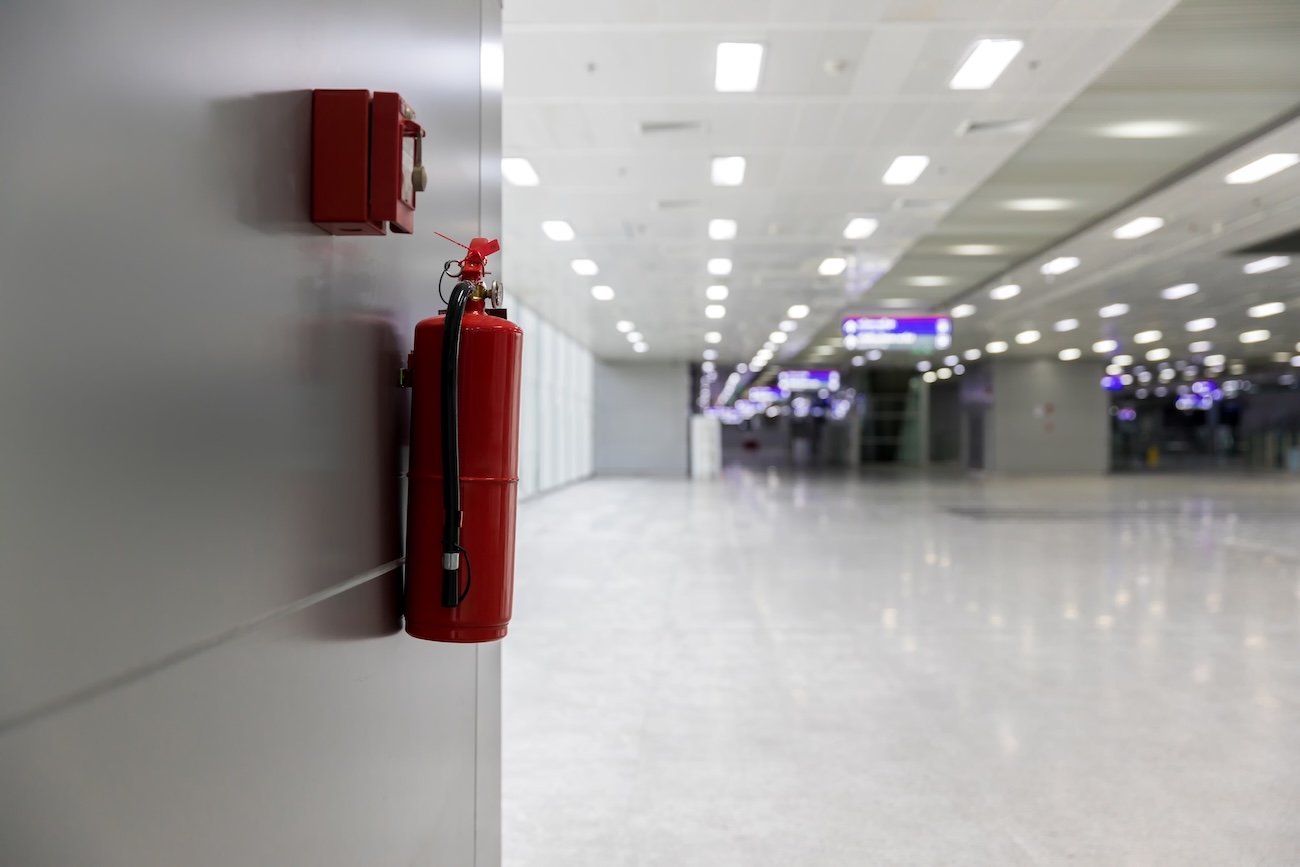
Even having the correct extinguisher type is not enough if equipment is poorly located or inaccessible.
Fire extinguishers should always be:
- Clearly visible
- Mounted correctly
- Easy to access
- Positioned near exit routes
- Located close to identified risks
Businesses should also ensure extinguishers are accompanied by appropriate signage.
Why Regular Fire Extinguisher Servicing Is Essential
Fire extinguishers require ongoing maintenance to ensure they remain operational during an emergency.
Without servicing, extinguishers may:
- Lose pressure
- Become damaged
- Fail during use
- No longer meet compliance requirements
Professional servicing helps identify issues early and ensures equipment remains compliant with UK fire safety standards.
Businesses across the UK are generally required to have extinguishers inspected annually by a competent professional.
Staff Training Is Equally Important
Even the correct extinguishers can become ineffective if staff are unsure how to use them properly.
Basic fire safety training should include:
- Understanding fire classes
- Identifying extinguisher types
- Safe extinguisher use
- Evacuation procedures
- Knowing when not to tackle a fire
Employees should never place themselves at unnecessary risk during a fire emergency.
Reviewing Your Fire Safety This October
National Fire Safety Month is an excellent opportunity to review whether your current fire extinguishers still match the risks within your property.
Businesses often change layouts, equipment, or working practices over time, which can alter fire risks significantly.
At Fireline UK, professional fire extinguisher servicing and fire safety support help businesses and property owners across the UK maintain safe, compliant, and properly protected premises.
Whether you operate an office, warehouse, restaurant, school, shop, or residential property, ensuring the correct extinguisher is available for every fire risk is a vital part of responsible fire safety management.